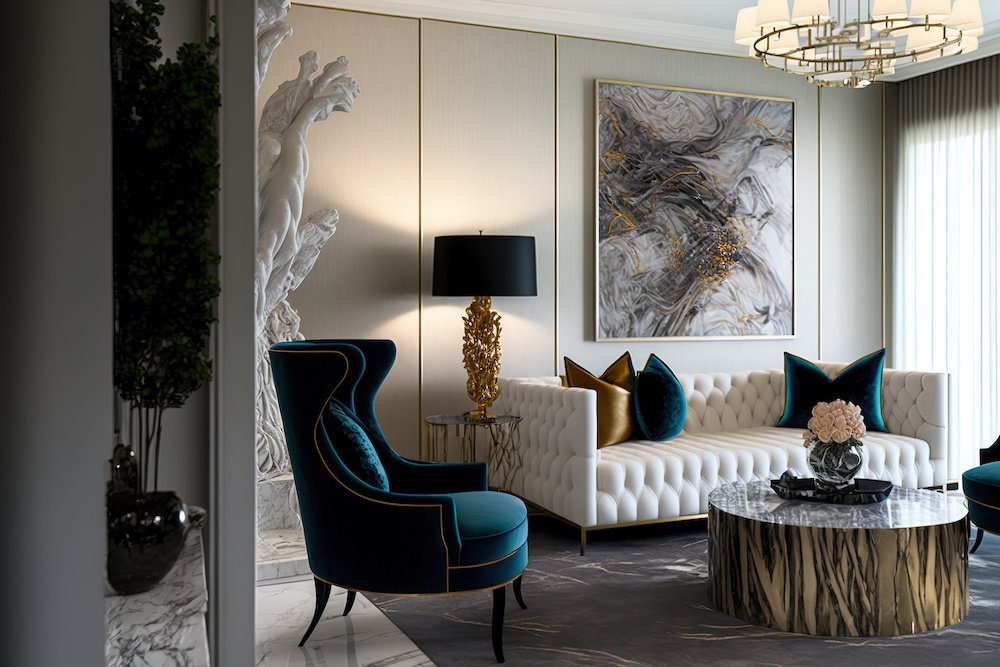
Too often, artwork is chosen as an afterthought — put up merely to fill a blank space.
When chosen well and placed thoughtfully, artwork can be the icing on the design cake. It has the power to infuse a space with your personality and create points of interest throughout the home. Until the art is hung and placed, a property doesn’t really feel like home!
If you’re undertaking an interior design project of your own and want to know how to find artwork to elevate your property, you’re in the right place. As bespoke luxury property developers, we’re acutely aware of the big impact small details can have and, by working with a team of interior designers and our clients’ needs, we’ve added all-important finishing touches to previous projects through the use of artwork.
Consider the artworks you already have
Choosing art for the home requires a blend of instinct and learning, and it begins by considering the artworks you already have.
Some pieces will hold sentimental value as they’ve been handed down from friend to friend, or family member to family member, or received as cherished gifts. Integrating these into your home is often non-negotiable. It follows, then, that when embarking on a home design project or refurbishment, you need to first factor in these significant artworks.
Sometimes, your overarching home design ideas will impact the artwork you choose. Sometimes, though, it’s the other way around. If you’re undertaking a larger design project – for example, building a home from the ground up – then you might have existing pieces to draw inspiration from in your key spaces. Play with incorporating colours from the artwork into your room design or by pulling textures through to furnishings. Let them be your muse(s)!
Consider the mood of each room
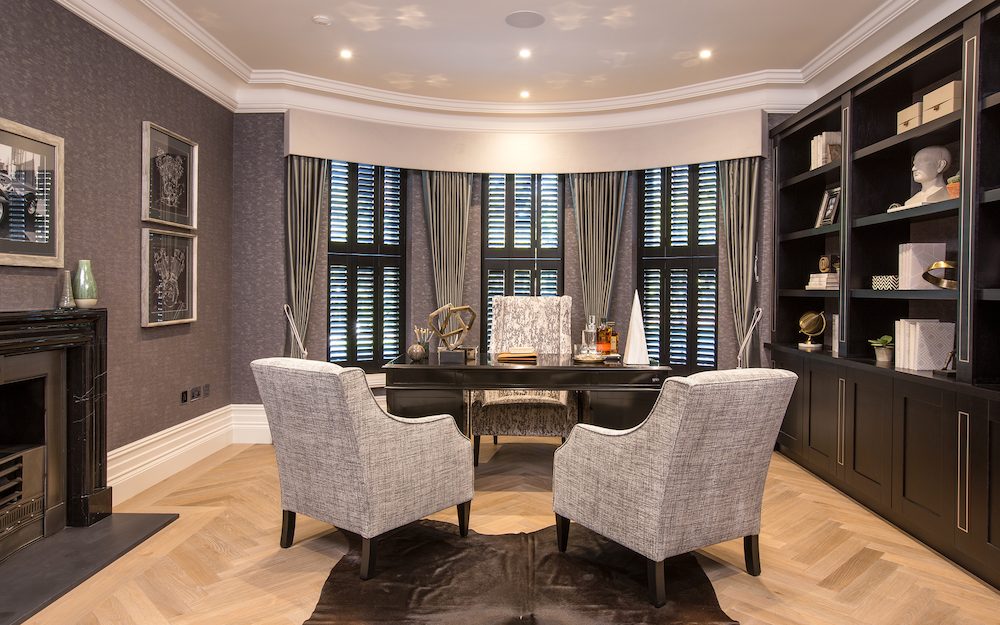
Think about the vibe of your space — of your home as a whole, and of each individual room. For bright and airy living spaces, vibrant and dynamic centrepieces can add a lively touch. Conversely, for cosy or luxurious rooms where you’re likely to spend evenings, darker and more intriguing pieces may be better suited. Matching the artwork to the room’s ambience will enhance the overall atmosphere and make it more harmonious.
Next, you need to determine the style of art display that appeals to you (per room).
Do you envision…
- A curated gallery space?
- A scattered arrangement of smaller artworks in unexpected places?
- A more minimalist approach, featuring only a few larger pieces that make a bold statement?
By defining your preferred art display style, you can guide your search and selection process.
Later, when selecting artwork, you’ll need to consider how the scale and proportions of the artwork will impact individual spaces. Large, statement pieces can make a bold impact in spacious rooms, while smaller artworks can be grouped together to create an intimate gallery wall.
Find artists & art galleries you love

To find artists and art that resonate with your taste, it’s a good idea to visit local galleries and exhibitions. Immersing yourself in the art world will enable you to feel more connected to individual pieces, and more confident in your choices!
In many local galleries, you can purchase pieces you enjoy there and then – a win for you and the local artist alike. But don’t be afraid to walk away and mull on it. If you find any contemporary artists whose work you particularly enjoy, see if you can find them on social media so you can stay up to date on their latest pieces.
Additionally, you might like to consider commissioning artists to create unique pieces tailored specifically to your vision. This will ensure that the artwork in your home is not only a reflection of your personal style, but holds that ‘one-of-a-kind’ essence.
Pay attention to art when out & about
For a sense of what you like, visit large galleries like the Tate and Turner Contemporary. Unlike local galleries, the artworks here usually aren’t for sale – so the pressure’s off. Just get inspired and take in what it is you like about the things that draw your eye. Do you find yourself drawn to dramatic black and white photographs? Or vibrant, abstract paintings? Or more experimental multi-textural pieces, like sculptures and installations?
Allow yourself to be captivated; identifying the elements that attract you will help refine your art preferences and guide your choices.
Engage with art consultants
Art consultants can be invaluable allies in your quest for the perfect artwork for your luxury home. These professionals specialise in curating collections that align with your taste, style, and the overall ambience of your property. By engaging with art consultants, you gain access to their expertise, extensive networks, and in-depth knowledge of the art market.
An art consultant will take the time to understand your preferences, lifestyle, and vision for your dream home. They can offer personalised recommendations, source unique and exclusive pieces, and guide you through the art selection process. What’s more, their insights into emerging artists, market trends, and investment potential will help you make more informed decisions.
You’ll also often find that they can assist with negotiating prices, ensuring authenticity, and handling the logistics of framing, installation, and insurance. In short, their work will allow you to focus on your connection to the art.
Attend art fairs & auctions

These events gather renowned artists, collectors, and galleries, showcasing a diverse range of artworks from various periods, styles, and mediums.
Art fairs typically occur in major cities and host galleries, curators, and artists in a convention. You – the prospective buyer – just have to attend and take in the extensive selection of artwork! Fortunately, it’s all under one roof so you don’t have to walk too far to broaden your artistic horizons.
Auctions, on the other hand, offer a thrilling environment where you can bid on coveted artworks. These prestigious events present an opportunity to acquire rare and sought-after pieces that may not be readily available elsewhere. With proper research and guidance, participating in art auctions can be a rewarding experience, allowing you to add exclusive and valuable artworks to your collection.
Know where to look when shopping for art online
When shopping for art online, it’s important to know where to look. Start by researching reputable online platforms that specialise in high-end artwork. You’ll want to look out for platforms with a good reputation (check their reviews or ask for recommendations from trusted friends), that have a wide selection of art for sale, and that prioritise transparency and security in the purchasing process.
Some popular options include Saatchi Art, Sotheby’s, Clarendon Fine Art, and Unit London Editions. These curated selections are high-quality and easy to browse — use the filtering options to browse by artist, type, medium, etc.
When searching for art online, it’s (unfortunately) fairly easy to get hoodwinked into buying fraudulent, low-quality, or duplicated pieces. It’s simple enough, for example, to find a Van Gogh print on online market platforms, but it’s difficult to tell what quality you’re going to receive until you’ve received it.
Sometimes, this low-cost and easy option might be exactly what you want for a splash of colour but, generally, it’s best to look for artwork or prints that are rare, unique, or part of limited print series. Acquiring one-off or limited-edition pieces adds a sense of exclusivity and value to your collection, helping make your home truly exceptional.
Pick the right frames
When it comes to displaying your carefully chosen artwork, the right frame can make all the difference. Frames not only provide a polished and finished look but also play a crucial role in protecting your valuable pieces!
The frame you choose should harmonise with both the artwork itself and the interior design of your space. Consider the style, colours, and theme of the artwork when selecting a frame. Again, you might choose to commission the creation of frames rather than buying generic to ensure you have something that pairs well.
For classical and traditional pieces, ornate and elaborate frames can add a touch of elegance. On the other hand, contemporary and modern artworks often benefit from sleek and minimalistic frames that allow the focus to remain on the artwork itself. Or, hey, throw that whole theory out if you like! It bears repeating that art is subjective – it’s about what you like. If you like the idea of mixing a traditional frame with a contemporary artwork, do that; it may be the interest-point that sets your home apart from others’.
In terms of the colour of the frame, people typically choose to either have it blend seamlessly with the artwork or provide a contrasting element that creates even more visual interest. A black frame, for example, can create a bold statement when paired with a vibrant, colourful painting. A white or metallic frame can enhance the subtleties of a softer, pastel piece.
Overall, it’s generally important to strike a balance between the artwork and the frame. The frame should enhance the visual impact of the artwork without overpowering it.
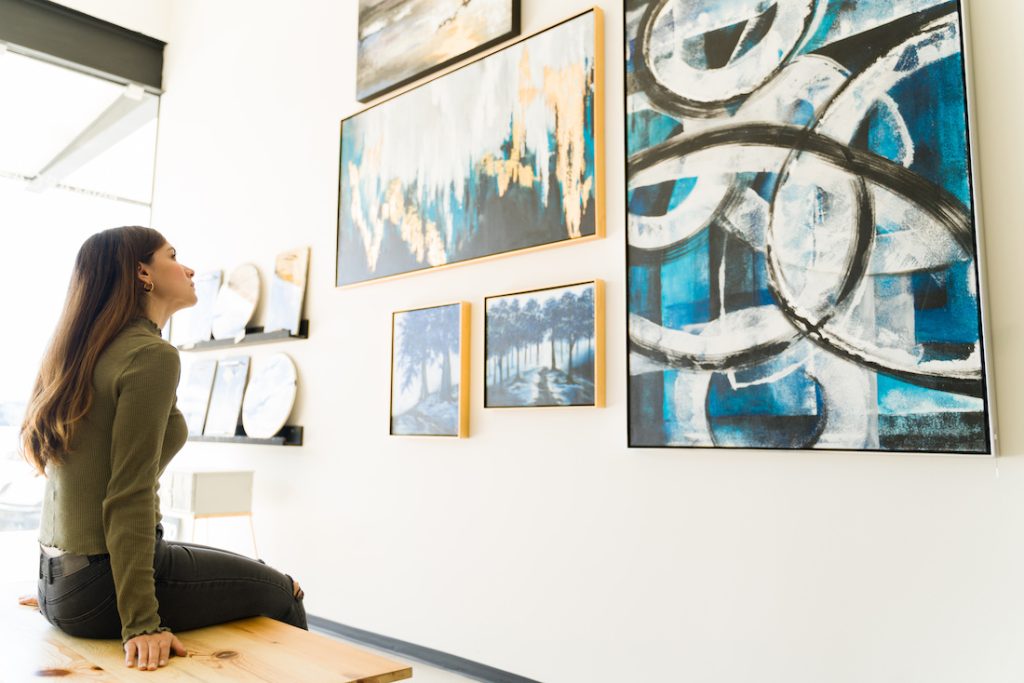
Beyond aesthetics, the frame serves an essential role in protecting your valuable artwork. It acts as a barrier, shielding the artwork from dust, moisture, and harmful UV rays that can cause fading and deterioration over time. Therefore, it is crucial to choose high-quality frames that are durable and built to last.
For your most precious pieces, opt for frames made from materials that are specifically designed for preservation. Acid-free mats and backing boards will prevent any acidic components from damaging the artwork. On top of this, UV-resistant glazing will protect the artwork from harmful light exposure – without compromising the quality of the view!
When it comes to framing, it’s advisable to consult with professional framers who specialise in handling valuable and delicate artwork.
Be open to different mediums
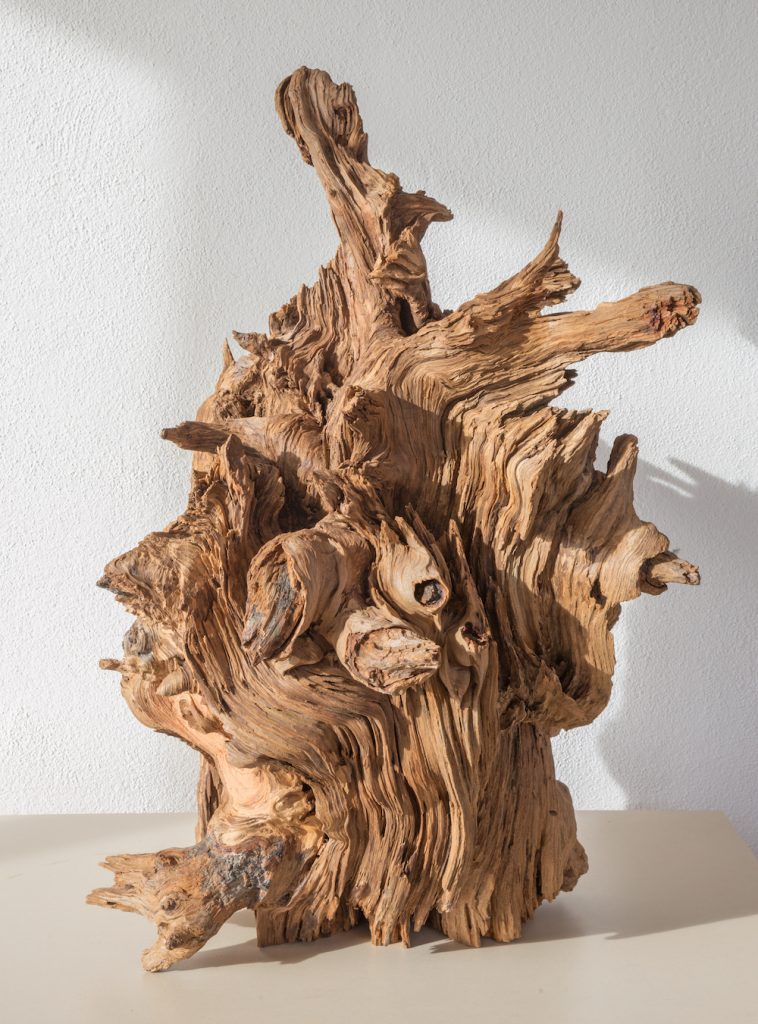
Art isn’t all about paint on canvas. Think wall hangings, sculptures, glass art, photography, and more. If you’d find it in an art gallery, you can have it at home.
So, be open to exploring a variety of artistic mediums to find unique and captivating pieces that enhance your space. Each medium brings its own distinct qualities and artistic expression, offering a diverse range of options to suit your aesthetic preferences.
Sculptures can add a three-dimensional element and a sense of presence to your space, serving as striking focal and talking points or contributing to the feeling of a room. Photography, on the other hand, can capture moments frozen in time, allowing you to showcase visually stunning images that evoke emotions and tell compelling stories. Not all photography is straightforward portraiture and still life, though — some photographers work more abstractly, inviting onlookers to form their own impression of a piece.
If you’re looking to push boundaries and challenge traditional art norms in your home, mixed media and installations are options to explore.
By being open to different mediums, you open yourself up to a world of artistic possibilities. Embrace the exploration of various mediums, considering how they can add depth, texture, and visual interest to your home. The integration of diverse mediums creates a multi-dimensional art collection that reflects your discerning taste and adds an extra layer of sophistication to your living environment!
Trust your instincts
While it’s important to consider expert advice and opinions, ultimately, you should trust your instincts and choose artwork that speaks to you. After all, your home should be a reflection of your personal style and taste — so select pieces that bring you joy.
Art should resonate with you on a deeper level, evoking emotions and reflecting your passions. Consider themes, subjects, or concepts that hold personal significance to create a more meaningful connection with your art collection.
When playing around with art placements, consider how different pieces interact with each other visually and thematically. Strive for a balanced composition to create an unified aesthetic.
Your home is art
Homes can be art too. As bespoke property developers that centre craftsmanship and collaboration, we’re firm believers in the power of artistic expression in home design and have created a whole host of gallery-perfect homes.
If you’re looking to create a unique property, using the finest materials, craftspeople, and a creative approach, you’re in safe hands with Aspire. Find out more about us here and take a look at some of our favourite projects to get a better sense of what we do!